
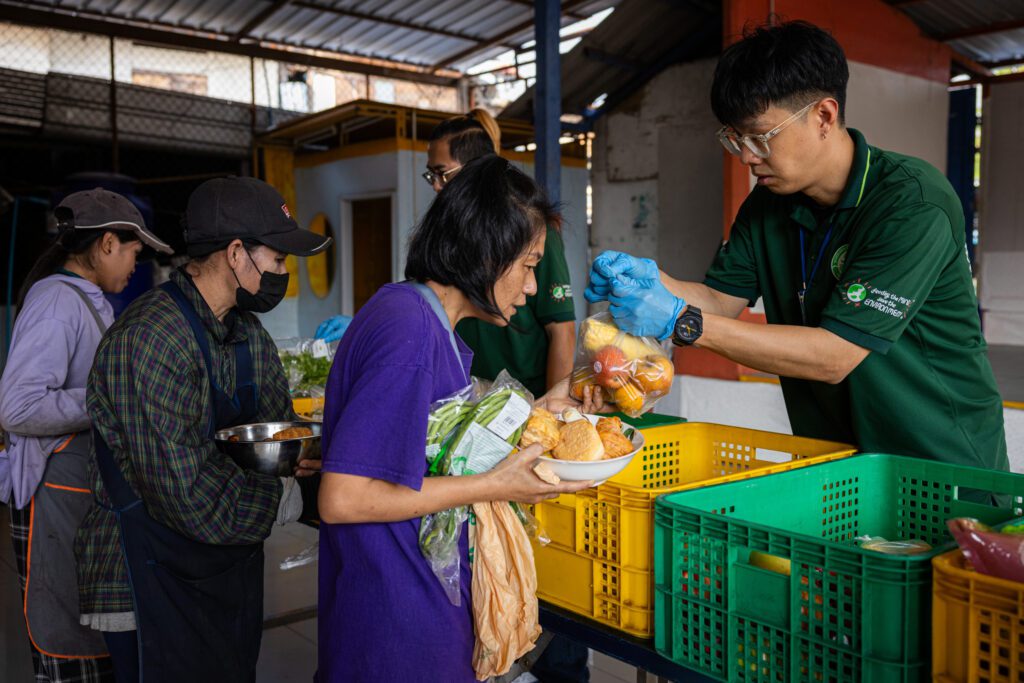
Food banks are often viewed simply as places where people receive groceries, but their impact reaches far beyond food distribution. They play a central role in building stronger, more resilient communities by addressing hunger, supporting vulnerable populations, and encouraging cooperation among residents, organizations, and local businesses. Through compassion and collaboration, food banks help communities respond to challenges and grow together. People who want to contribute often search for food donations near me so they can support local food banks and help strengthen their own community through direct giving.
Addressing Food Insecurity At The Local Level
Food insecurity affects families across all types of communities. Costs of living going up, unstable jobs, and unplanned situations can make it hard for families to afford healthy meals. Food banks step in to meet this need by ensuring that community members have access to food during difficult times.
By reducing hunger, food banks help stabilize families and individuals, allowing them to focus on work, education, and health. When basic needs are met, communities function more effectively and experience less strain on social systems.
Supporting Families, Children, And Seniors
Food banks serve a wide range of people, including working families, children, seniors, and individuals with disabilities. Children benefit from consistent access to meals that support learning and development. Seniors, especially those on fixed incomes, receive help that allows them to manage health expenses without sacrificing nutrition.
By supporting these groups, food banks contribute to healthier, more stable neighborhoods. Families are better able to stay housed, children perform better in school, and seniors maintain independence, all of which strengthen the community as a whole.
Encouraging Community Involvement And Volunteering
Food banks rely heavily on volunteers, creating opportunities for residents to give back. Local volunteers help sort donations, pack food, and distribute supplies. This involvement builds a sense of shared responsibility and connection among community members.
Volunteering fosters empathy and understanding, breaking down barriers between people from different backgrounds. When residents work together toward a common goal, community bonds grow stronger.
Partnering With Local Organizations And Businesses
Food banks often collaborate with schools, religious groups, nonprofits, farms, and grocery stores. These partnerships help expand reach and efficiency. Local businesses may donate surplus food, funds, or services, while schools and organizations help identify families in need.
These collaborations create a network of support that benefits everyone involved. Businesses reduce waste, organizations extend their impact, and communities receive essential resources more efficiently.
Reducing Food Waste And Promoting Sustainability
Redistributing excess food that could otherwise go to waste is a crucial function of food banks. By rescuing usable food from farms, stores, and manufacturers, food banks reduce environmental impact while feeding people.
This approach supports sustainability and responsible resource use. Communities benefit from reduced waste and a more efficient food system that values both people and the environment.
Strengthening Economic Stability
Hunger and financial stress are closely connected. When food banks help families meet grocery needs, household budgets stretch further. This relief allows families to pay bills, maintain housing, and manage emergencies.
Economic stability at the household level contributes to broader community stability. Fewer evictions, improved health outcomes, and reduced reliance on emergency services all benefit local economies.
Providing A Gateway To Additional Support
Many food banks offer more than food assistance. They connect individuals to job training, housing resources, healthcare services, and nutrition education. These additional supports address the root causes of food insecurity.
By serving as access points to broader services, food banks help individuals move toward long-term stability and self-sufficiency, which strengthens the entire community.
Promoting Dignity And Inclusion
Modern food banks emphasize respect and choice. Many offer client-choice models that allow individuals to select foods that meet their dietary needs and cultural preferences. This approach preserves dignity and encourages positive engagement.
Inclusive practices ensure that everyone feels welcome and supported, reinforcing the idea that the community cares for all its members.
Building Resilience During Crises
During natural disasters, economic downturns, or public health emergencies, food banks often serve as rapid-response hubs. Their established networks and infrastructure allow communities to mobilize quickly and support those affected.
This readiness increases community resilience, helping neighborhoods recover faster from crises.
Conclusion
By tackling hunger, assisting vulnerable groups, promoting volunteerism, and building partnerships, food banks are essential to the development of local communities. Their work promotes health, stability, and connection, turning acts of generosity into lasting community impact. By meeting immediate needs while supporting long-term resilience, food banks help communities grow stronger together.