
Rubber molding projects often involve more than a press. Molds, compounds, feeders, temperature systems, vacuum equipment, ejectors, guarding, automation, and inspection must work together. Procurement teams therefore compare rubber injection molding companies by their ability to accept engineering responsibility across the complete production process.
A rubber injection molding company provides meaningful turnkey support when it converts part requirements into a validated and maintainable cell. The value lies in fewer interface gaps, clearer acceptance criteria, and coordinated commissioning rather than in bundling unrelated equipment under one purchase order.
Application engineering defines the correct scope
The project needs to begin with drawings, tolerances, compound data, mold layout, annual volume, cycle target, and inspection method. These inputs establish shot size, clamping force, platen dimensions, opening stroke, temperature control, and the handling strategy needed for the finished part.
Since 2004, Dekuma has focused its product development on rubber injection molding equipment. Its range covers vertical, horizontal, C-frame, servo-hydraulic, and dedicated systems for automotive parts, power insulation, tracks, sealing rings, glass encapsulation, silicone products, and solid tires.
That breadth supports selection only when features remain tied to their intended platforms. A FIFO path used for sealing or glazing should not be assumed on an unrelated machine. Technical proposals are expected to identify the delivered configuration and explain how it addresses the specified material and mold.
Site review adds utilities, floor loading, lifting access, cooling, compressed air, material staging, and downstream movement to the scope. Resolving these constraints early reduces installation changes and establishes which party supplies every interface.
Turnkey coordination reduces interface failures
A rubber injection molding company may coordinate mold design, material trials, automation, feeding, guarding, and factory connections. Mechanical envelopes, signals, utilities, safety circuits, and recovery states must be agreed before fabrication begins.
Interface responsibility becomes especially important when third-party equipment is included. A feeder and press may function separately yet fail to exchange the timing or alarm signals required by the cell. One approved sequence document gives all providers a common basis.
Automation is required to address a defined source of risk, labor, or variation. Hot, heavy, repetitive handling often presents a strong case. Low-volume mixed production may benefit more from accessible tooling, recipe control, and assisted movement than from a highly dedicated robot layout.
Acceptance criteria need to include machine motion, part quality, output, alarms, safe recovery, and changeover. A short dry cycle cannot prove performance with the actual compound, mold, cure load, and removal behavior. Representative trials provide better evidence.
Commissioning transfers the verified process
Rubber injection molding companies remain responsible for agreed technical support when the system moves to the factory. Installation checks confirm utilities, alignment, mold services, guarding, auxiliary communication, and software configuration before production trials.
Commissioning establishes pressure, speed, temperature, position, and time ranges under site conditions. Sample approval should be linked to the active material batch, mold revision, recipe, and inspection results. This record forms a shared baseline for later diagnosis.
Training needs separate content for operators, process engineers, and maintenance personnel. Recipes, alarms, inspection, cleaning, changeovers, lubrication, calibration, and safe intervention influence performance differently. Practical fault exercises can reveal gaps that classroom instruction misses.
Documentation should match the installed system, including custom logic and locally supplied modules. Drawings, parameter backups, software versions, spare-parts references, and maintenance schedules reduce reliance on individual memory and support faster recovery.
Project governance should define milestones for design approval, mold readiness, factory testing, shipment, installation, samples, and final acceptance. Each milestone needs evidence and an owner. This structure makes delays visible early and prevents unresolved technical questions from being carried silently into commissioning.
A post-launch review should compare actual output, scrap, cycle time, labor, energy, and service events with the approved assumptions. The review can identify whether the remaining constraint is equipent, tooling, material, staffing, or inspection.
Formal change control should cover recipes, mold revisions, software, and auxiliary devices. Every approved change needs a validation result, updated backup, responsible owner, and traceable approval record before the revised process returns to routine production.
Service preserves lifecycle capability
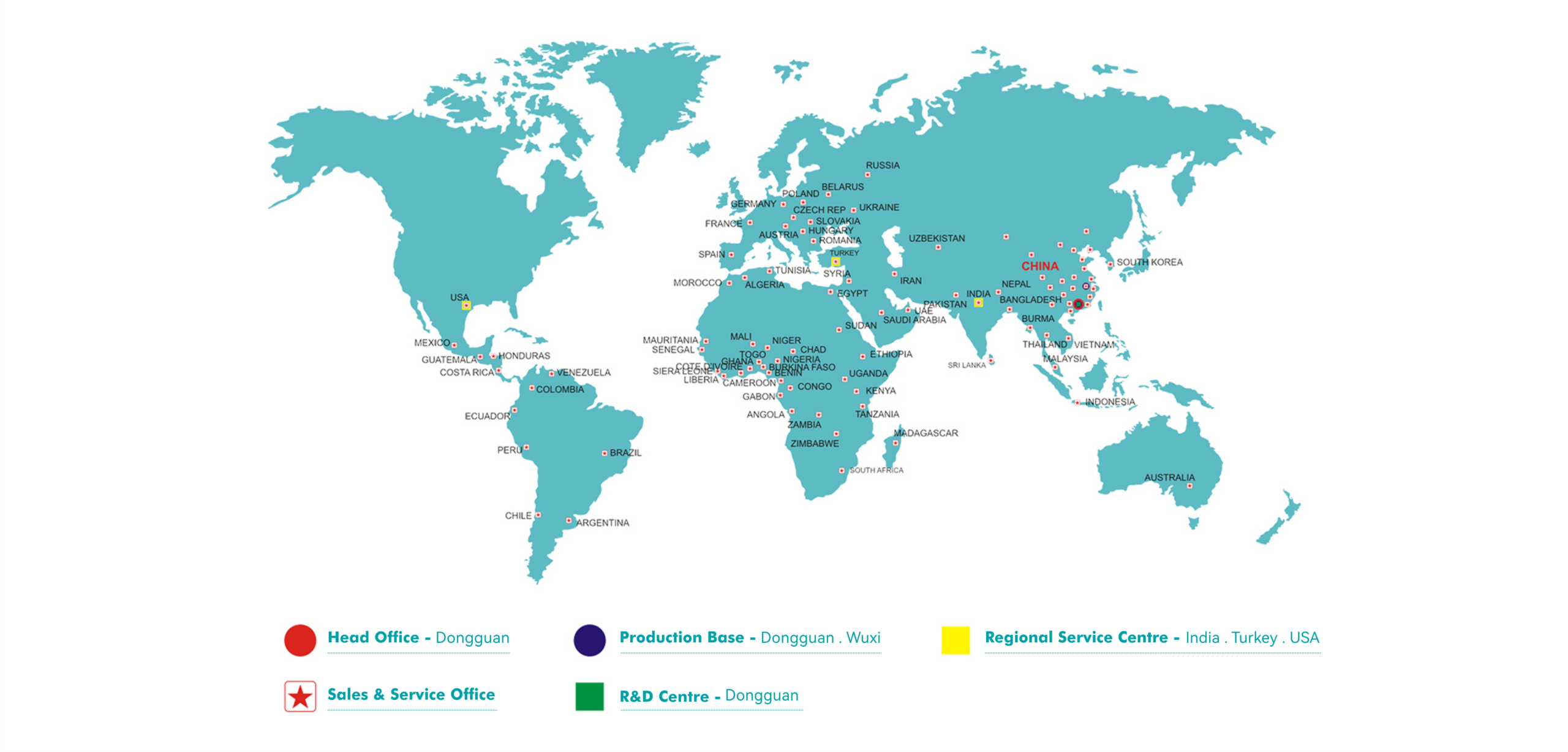
More than 1,500 reported customers and service activity in over 50 countries indicate the geographic range of Dekuma’s installed base. It describes pre-delivery inspection, commissioning guidance, training, spare-parts supply, remote assistance, and continuing support. Buyers should translate these resources into agreed response and escalation arrangements.
Comparisons among rubber injection molding companies should use a responsibility matrix and a shared acceptance protocol. These documents show who owns mold performance, material trials, automation, safety integration, process records, training, and recovery support, preventing unresolved interfaces from being mistaken for ordinary startup variation.
Critical spares should be ranked by wear, lead time, and production consequence. Machine records and alarm history help remote specialists identify likely causes before dispatching parts or personnel. Some faults still require local inspection, mold expertise, or material analysis.
After commissioning, evidence from output, availability, changeovers, energy, maintenance, and service response shows whether the turnkey scope works as intended. A rubber injection molding company creates lasting value when application knowledge and accountability continue beyond shipment. Periodic reviews should confirm that responsibilities, contacts, backups, and spare-parts plans remain current as the cell evolves.