
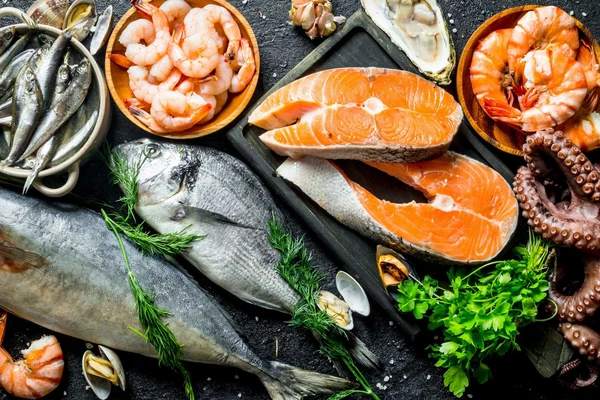
Walk up to a good fish counter and the smell hits you first. Briny, clean — almost like standing at the ocean’s edge. Walk up to a bad one and you know immediately. That funk reaches you before you’re anywhere near the display case. What explains it? The gap between when a fish left the water and when it arrived in front of you — measured in time, temperature, and handling decisions — determines nearly everything: flavor, texture, safety. All of it.
What Makes Fish “Fresh”
“Fresh” is a word the seafood industry uses loosely. Technically, it just means the fish was never frozen. That’s the whole definition. But unfrozen isn’t the same thing as recently caught — not even close. The instant a fish dies, its own enzymes start dismantling it from the inside out. Autolysis, biologists call it. Muscle tissue breaks down; off-flavors accumulate. Stored around 32°F, fish can hold reasonable quality for several days. Stored carelessly? Hours. So that cheerful “fresh” sticker on the grocery display tells you exactly one thing — no freezer involved — and says absolutely nothing about when the fish was caught or how it’s been handled since.
The Catch-to-Counter Timeline
Really fresh fish has a short biography. Worth-their-salt commercial fishing operations get the catch onto ice within hours of hauling it aboard. Smaller boats are often faster still. Specialty shops and farmers market vendors frequently work with boats running daily — sometimes multiple trips per day. Fish lands at the retailer within 24 to 48 hours of being caught. Contrast that with standard grocery supply chains, where one to two weeks between boat and shelf isn’t unusual. The taste gap is real. Truly fresh fish is clean, delicate, almost sweet. Fish that’s been held in storage too long develops harsher, more aggressive flavors — which, not coincidentally, is exactly what people mean when they claim they don’t like fish.
Visual and Sensory Signs of Quality
Your eyes and nose are more reliable quality-control instruments than any label ever will be. Really fresh fish? Clear, bright, almost glassy eyes. Gills that are vivid red or pink — not brown, not gray. Press the flesh with a finger; it should spring back immediately. No soft spots, no lingering dent. Skin should be shiny, scales clinging firmly rather than shedding at a touch. Fish that’s overstayed its welcome shows the reverse: sunken, clouded eyes; darkened gills; flesh that yields and stays yielded. And the smell — ammonia, pronounced fishiness — that’s bacterial breakdown already running ahead of you. Walk away. Doesn’t matter what the sign says.
Ice Quality and Storage Method
Not all ice is equal. Block ice melts slowly and holds temperature more consistently than crushed — a real difference when you’re preserving delicate protein. But even good ice creates a problem if the fish sits in pooled meltwater. Osmosis pulls that water into the flesh, diluting flavor and accelerating breakdown. Fresh fish should rest *on* clean, cold ice — not submerged in it. Good fishmongers refresh their displays throughout the day for precisely this reason. Diners seeking a reliable reference for what peak freshness looks like on a plate can find it at the best restaurants in San Francisco, where sourcing standards match what a dedicated fishmonger applies. Milky water pooling under the fish at a grocery counter? It’s been sitting too long. Move on.
At-Home Handling and Storage
What you do after purchase matters as much as everything that came before it. Put fish in the coldest zone of your refrigerator — above raw meats, not below — on a plate or in a bowl to catch any drip. Cooking within a few hours? Basic refrigeration is fine. Holding it up to two days? Nest it in a sealed container over fresh ice and swap that ice as it melts. Room temperature is off the table entirely. Bacteria multiply fast; there’s no grace period. Plan meals around your purchase date. Cook the fish at its peak and the difference between really fresh and merely unfrozen becomes impossible to ignore.
Conclusion
Timing, temperature, handling. Those three things separate genuinely fresh fish from fish that’s just technically not frozen. The real stuff traveled a short distance from boat to kitchen, stayed cold throughout, and arrived fast enough that its flavor is still clean and honest. You can verify this yourself — check the eyes and gills, press the flesh, trust your nose. These aren’t industry tricks. Just paying attention. Finding fish like this takes slightly more effort than grabbing whatever’s under the “fresh” sign at a big grocery store. But the payoff in flavor and texture? Completely worth it.