
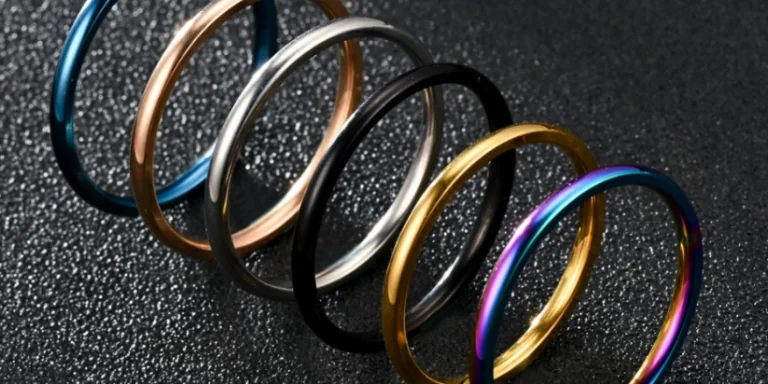
Distinguishing between manufacturing techniques is essential for brands looking to balance cost with intricate design. When sourcing from a specialized brass jewelry manufacturer like Star Harvest, professionals must weigh the structural integrity of casting against the lightweight efficiency of stamping. Each method serves a specific niche in the market, and recognizing these differences ensures that the final product aligns with a brand’s specific quality expectations and price points.
Precision through Professional Metal Stamping
Metal stamping involves pressing thin sheets of brass into specific shapes using a die. This technique excels in high-volume production because it allows for rapid replication of flat or slightly curved designs with incredible consistency. Because the process uses thinner material, the resulting pieces are lightweight and comfortable for daily wear, making them ideal for high-street fashion lines. However, this method is generally restricted to two-dimensional shapes, as it cannot achieve the deep relief or sculptural complexity found in other processes.
Complexity in Modern Investment Casting
Lost-wax casting offers a level of three-dimensional detail that stamping simply cannot match. This process begins with a wax model, which is then encased in a ceramic mold to receive molten metal, allowing for organic shapes, heavy textures, and integrated stone settings. A brass jewelry manufacturer typically recommends casting for premium collections where a “substantial” hand-feel is required. While the unit cost may be higher due to the labor-intensive mold-making process, the ability to customize every curve provides a significant competitive edge for boutique labels.
Balancing Durability and Scale
Deciding between these two methods often comes down to the intended lifecycle of the jewelry piece. Stamped items are durable in their own right but are prone to bending if the gauge is too thin, whereas casted brass is solid and highly resistant to deformation. For B2B clients, the choice impacts not only the aesthetic but also the logistical aspects of the supply chain, including lead times and shipping weights. High-capacity facilities often integrate both methods to offer a versatile catalog that meets diverse retail demands without compromising on the mechanical strength of the alloy.
Technical mastery in brass fabrication requires a deep grasp of how metal behaves under pressure versus how it flows in a liquid state. By maintaining strict quality systems and offering flexible customization, a brass jewelry manufacturer ensures that every batch meets rigorous industrial standards. Star Harvest continues to provide these professional insights to help global partners make informed decisions that optimize their production budgets while maintaining a reputation for excellence.